
A Chester music school built on patience and curiosity
Learn who teaches at Starlavo, how lessons are run and what the school values, so you know what to expect before you walk through the door.
A friendly school for guitar and piano
Starlavo is a music school in Chester teaching guitar and piano to children, teenagers and adults. It was set up around a simple idea: learning an instrument should feel welcoming and unhurried, whatever your age or experience.
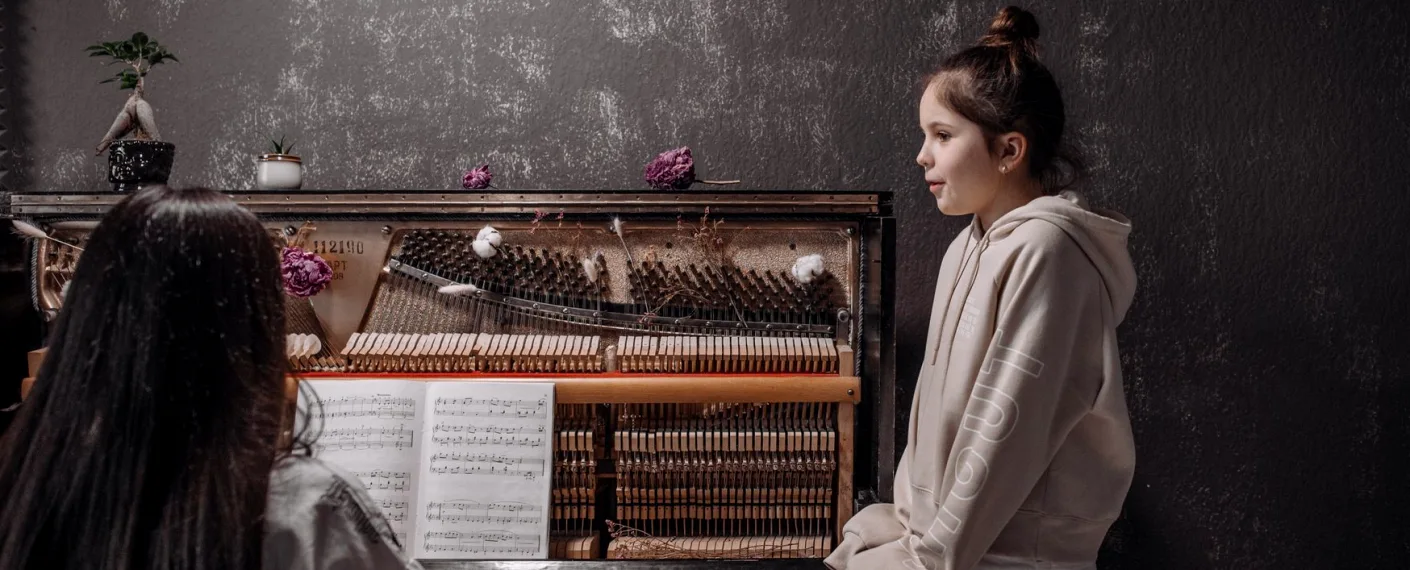
The school is led by Helen Marsden, who teaches piano and enjoys helping nervous beginners find their feet. Her own teaching sets the tone for the whole school. Students are encouraged to ask questions, make mistakes and enjoy the process of getting better at their own speed.
Daniel Whitcombe teaches acoustic and electric guitar, taking students from their first chords through to playing in a band. He also runs the school's student showcases, which give learners a friendly, low-pressure chance to perform for family and friends.
Priya Chatterjee coordinates the junior classes and teaches music theory. Her lessons are patient, structured and good fun, and she helps younger children build a love of rhythm and listening before they take on a more formal instrument.
Behind the scenes, Owen Rhodes looks after bookings, rooms and equipment, so lessons start on time and run smoothly. The same studio rooms are available for practice hire, with an upright piano, amplifiers and a quiet space to rehearse.
Lessons take place at 14 Lower Bridge Court in Chester, in small, well-equipped rooms. Keeping things small means each student gets proper attention, and tutors can adjust the pace, the repertoire and the practice tasks to suit the person in front of them.
The choices behind every lesson at the school
Good teaching comes from many small decisions. These are the working choices that shape how lessons are planned, how rooms are set up and how students are supported from their first week through to longer-term goals.
Unhurried pacing
Each student moves at the speed that suits them. Tutors slow down when something needs more time and move on when a student is ready, so lessons never feel like a race against anyone else.
Small, personal teaching
Most tuition is one-to-one, and group classes stay small. This lets tutors notice what each student finds easy or difficult and adjust the next lesson accordingly.
Goals set together
At the start, we ask what you want from your lessons. Some want to play for pleasure, others want a band or a graded exam, and the plan follows from that conversation.
Well-kept equipment
Studios have tuned instruments, working amplifiers and comfortable seating. Owen checks rooms and equipment so nothing interrupts the lesson and students can concentrate on playing.
Manageable practice
Tutors set short, realistic tasks between lessons. Little and often tends to work better than long sessions, and it fits more easily around school, work and family life.
Progress you can see
Tutors point out what has improved and what comes next. Students can mark progress through showcases, theory work or graded exams, whichever feels right for them.
What we stand for
-
Patience
Learning an instrument takes time, and everyone starts somewhere. Tutors explain things again without fuss, and celebrate small steps so students keep their confidence.
-
Curiosity
We encourage students to ask why music works the way it does, and to try styles beyond their comfort zone. Curious learners tend to practise more and enjoy it more.
-
Community
Showcases, junior classes and shared studios bring students together. Playing alongside and in front of others makes music feel less solitary and far more rewarding.
The school at a glance
-
5
Service areas
Guitar Lessons, Piano Lessons, Junior Music Classes, Music Theory and Grades, Studio Practice Hire
-
4
Team profiles
Helen Marsden, Daniel Whitcombe, Priya Chatterjee, Owen Rhodes